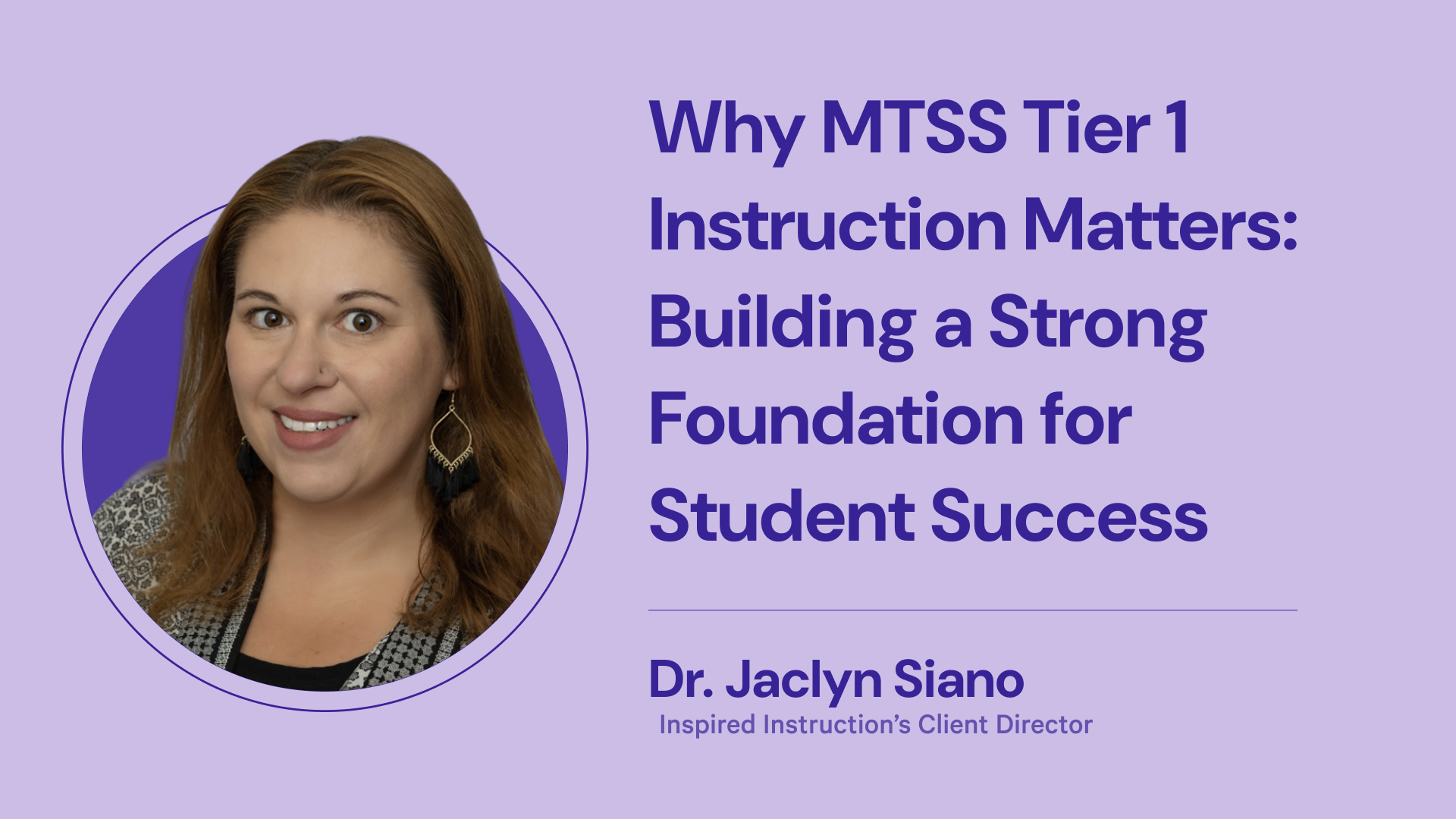
MTSS Tier 1: What’s New Is the “S”
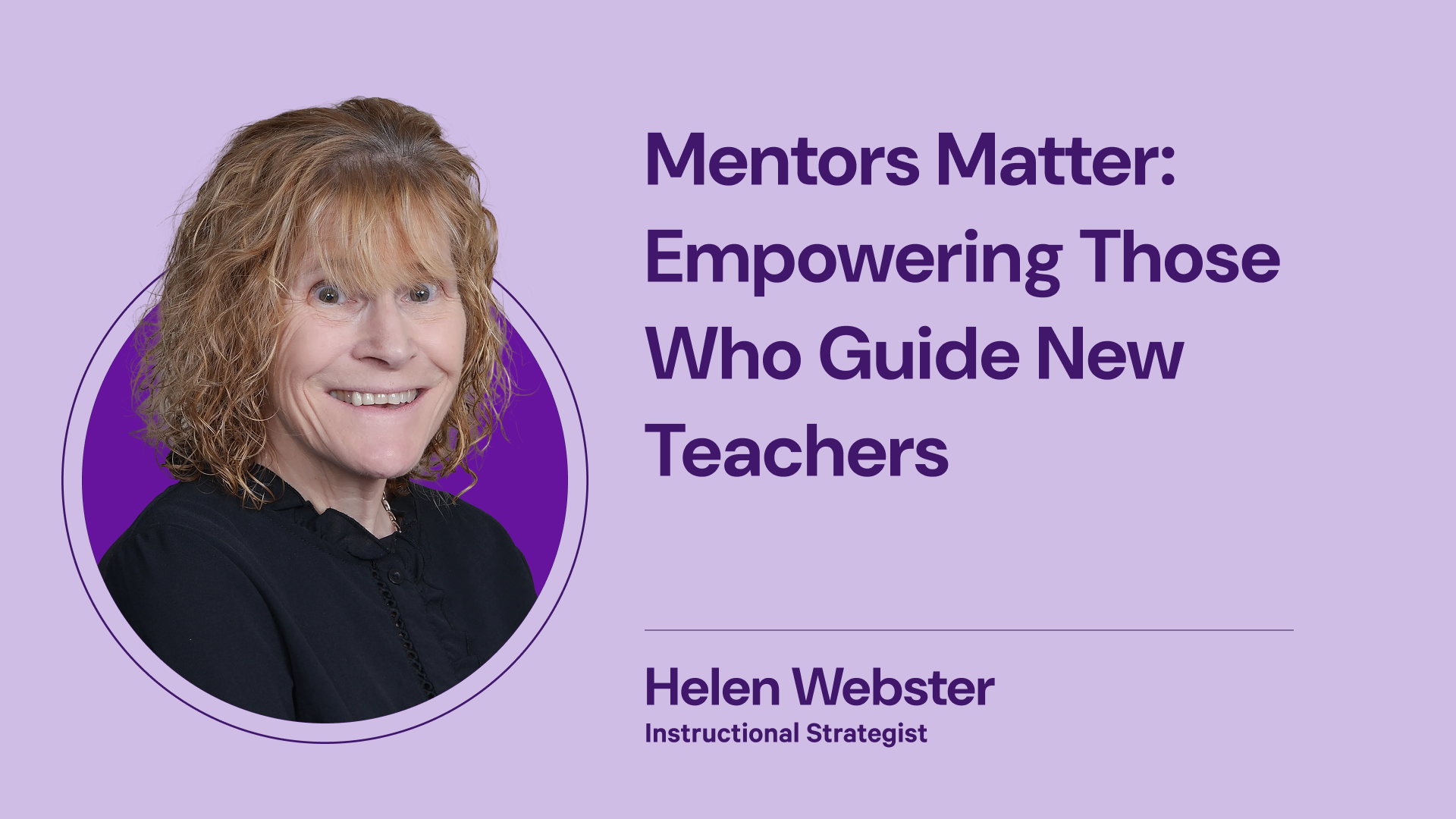
Mentoring Our Mentors: Augmenting Maryland and DC Teacher Mentor Programs
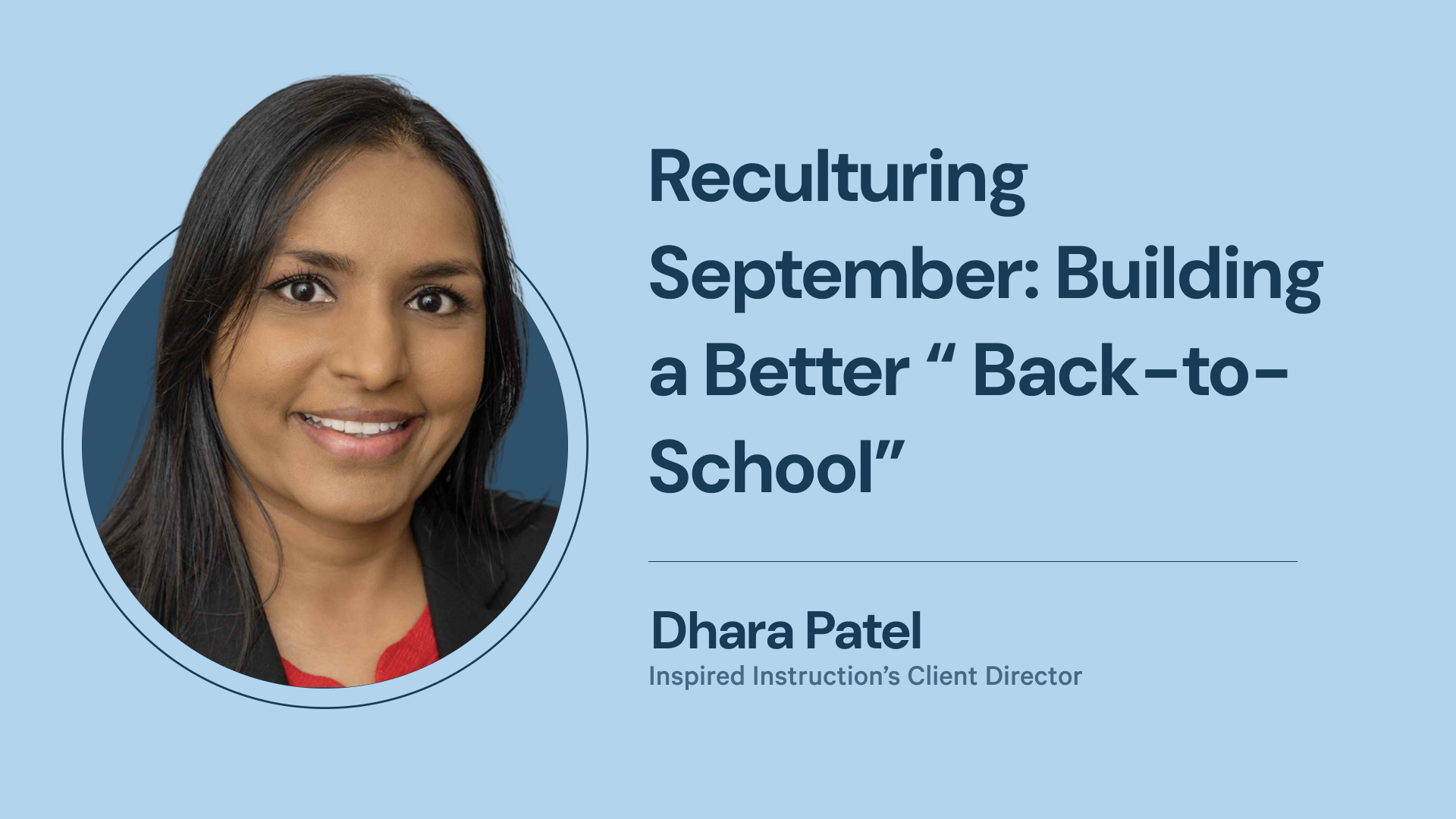
Re-Culturing September: “So, how was your first week of school?”
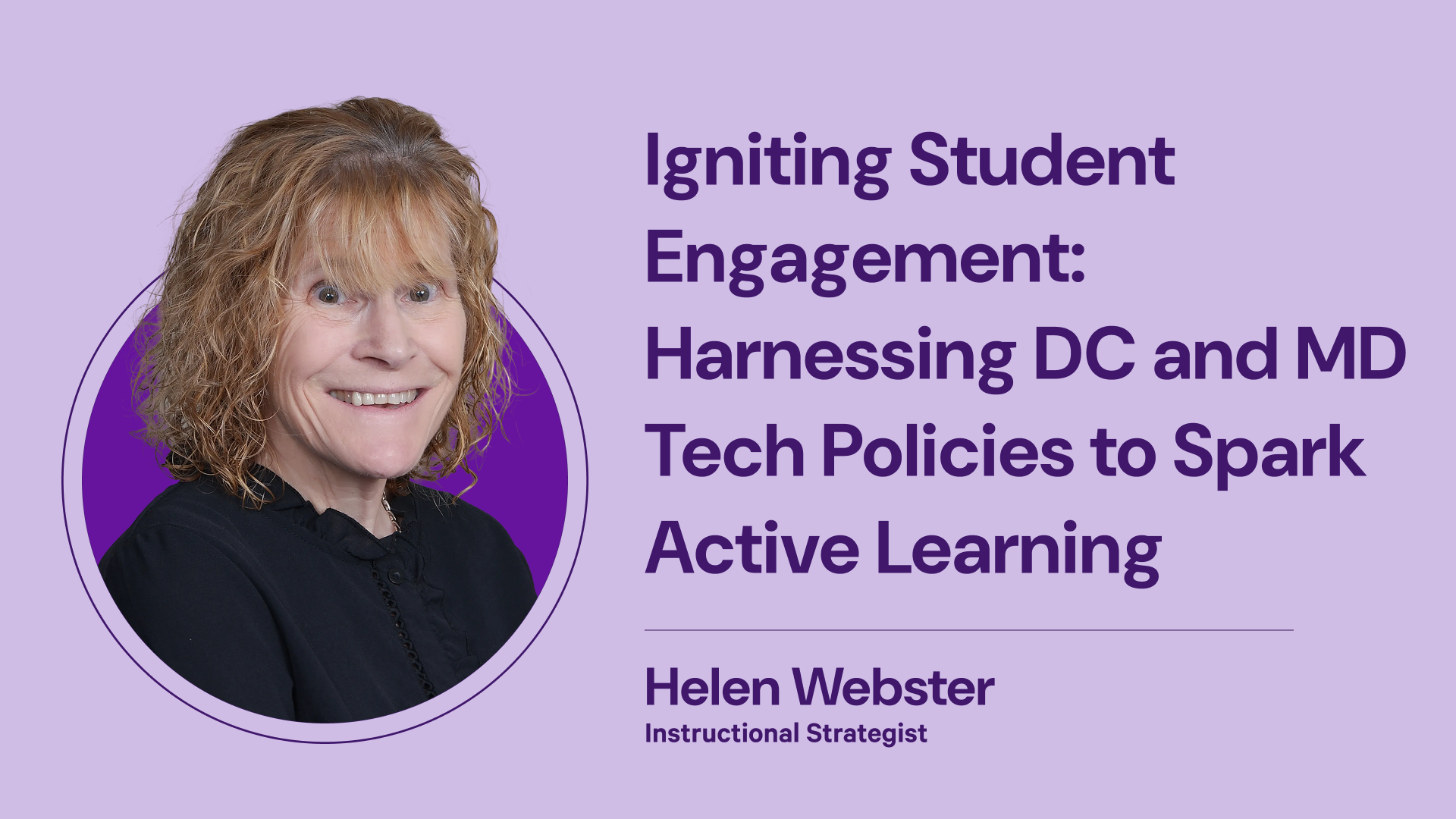
Smart Learning: Harnessing the DC and Maryland Technology Policies to Unlock the Potential of Technology for Active Learning
Finishing Strong, Recharging, and Advanced Planning
Speaking, the Forgotten Standard: Using Student Conversations to Elevate Learning
Refine Instead of Resist: AI in the Classroom
What Parents Want from Their Child’s School
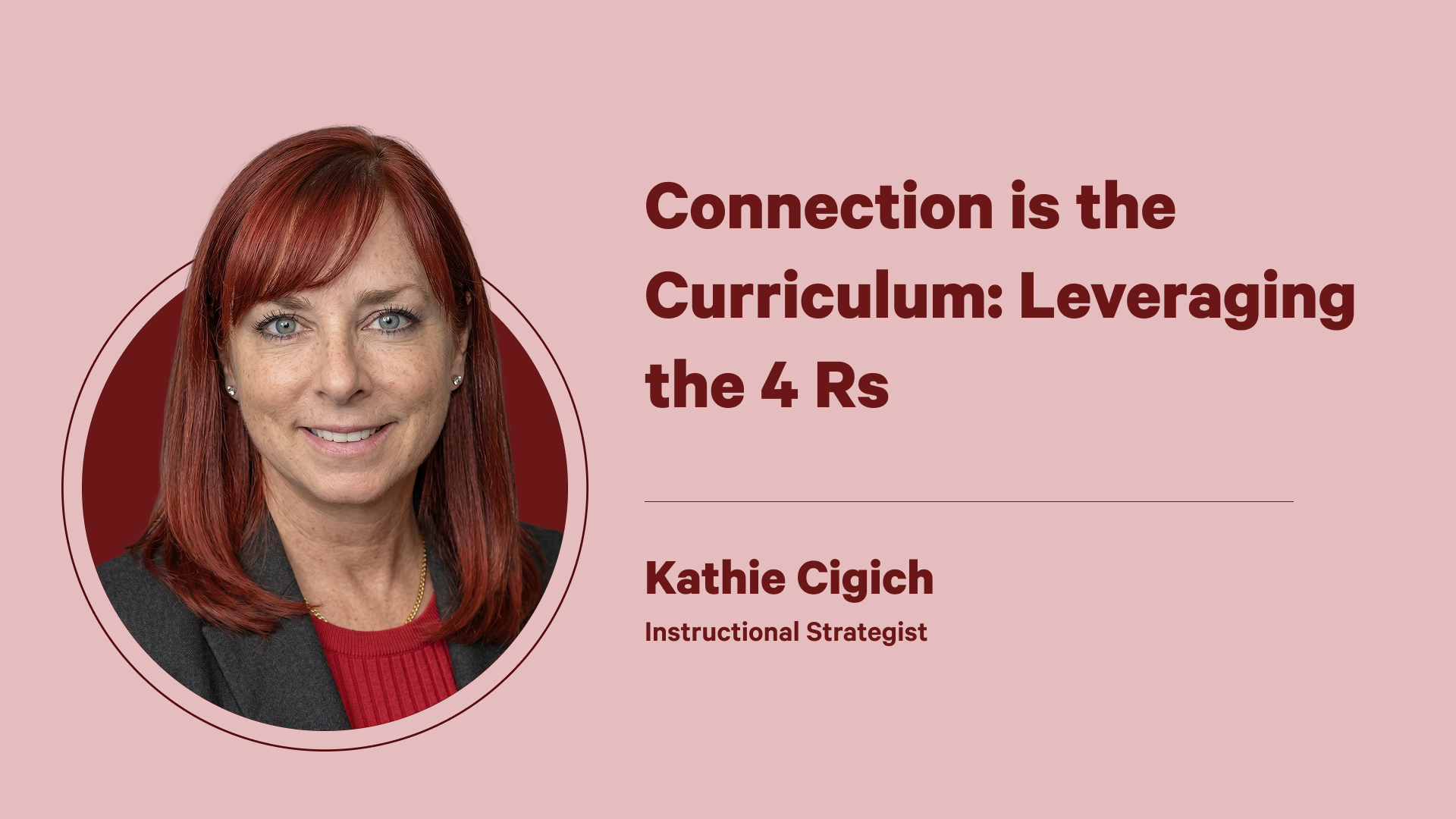
Connection is the Curriculum: A BIE Leader’s Playbook
From Test Items to Teaching: Instructional Implications of the NJSLA-Adaptive
The Facets of Student Engagement: A Continuum
The Literacy Gap: Causes, Consequences & Solutions
A New Year, A New Beginning: Resetting Classroom Management with Intention
Launching Positive Behavioral Interventions & Supports with Purpose: An Interview with Principal Dawn Kelly (Ret.)
Instructional Feedback Without the Fuss
Assessment IS Instruction!
Mastering Change Management: A Guide for Today’s School Leaders
Taking Responsibility for Student Success
Chronic Absenteeism Isn’t Just About Missing School —It’s About What We’re Missing
Countdown to the First Day of School
Summer To-Do List for School Leaders
When Classroom Management Gets In the Way: 4 Questions to Ask
5 Ways to Beat Testing Season Worries
Classroom Assessment Strategies
How to Connect with Students and Understand Their Emotions?
Implementing Evidence-Based Reading Practices
Formative vs. Summative Assessments: What's the Difference?
6 Social Emotional Learning Strategies for Teachers
20 Tools to Help Teachers Create an Online Assessment
Teachers: Remember to Put on Your Oxygen Mask First
Empowering Students and Encouraging SEL Practices with Accountable Talk
Harnessing the Power of Small Group Instruction
Want to Open the Door to a Positive School Culture and Climate? Communication is the Key.
Top 5 Books For New Middle School Principals
Tips to Help Students Prepare For the NJSLA
Benefits of Professional Learning Communities
Assessment in the Time of COVID
Black History Month as Catalyst for Change
Moving Forward in a New Year… (that looks a little like the last)!
Integrating Writing Across the Curriculum
How to Integrate 21st Century Learning into the STEM Classroom
Building Trauma Sensitive Practices into your Classroom
Start September Strong: What Comes After Quarantine?
What Do Chocolate and Mentoring Have in Common
The Principal Benefits of Professional Learning Communities
The Healthy Way to Prepare for PARCC/NJSLA: Using PARCC’s ELA Resources
The 4 Cs of 21st Century Learning – Preparing your Students to be 21st Century Learners
Sustaining Change by Leveraging Instructor Data
Speaking the Same Language: Teaching Kids the Language of Emotions
Quick-Start Guide to Coaching Part 2 – How to Sustain Change
Quick-Start Guide to Coaching Part 1 – Choosing Your Cohort
Preparing for PARCC/NJSLA Part VIII – Creating PARCC/NJSLA-Like English Assessments TECRs
Preparing for PARCC/NJSLA Part VII – ELA Assessments
Preparing for PARCC/NJSLA Part VI – How to Respond to PARCC/NJSLA Math Items
Preparing for PARCC/NJSLA Part V – Aligning English Language Arts Instructional Practices
Preparing for PARCC/NJSLA Part IV – Aligning Mathematics Instructional Practices
Preparing for PARCC/NJSLA Part III – Using Writing Rubrics continued
Preparing for PARCC/NJSLA Part II – Using Writing Rubrics
Preparing for PARCC/NJSLA Part I – The Six Step Process
PLC Quick-Start Guide for Coaches
NGSS & You: Addressing the Needs of Curriculum and Science Supervisors
Moving Toward More Authentic Engagement
Mentors Teachers Aren’t Done Learning!
Improving Teacher Practice: Creating a Collaborative Culture through PLCs
Improving Student Achievement through Professional Learning Communities (PLCs)
How to Use Formative Assessment to Drive Teaching and Learning in the Virtual Classroom
Giving Every Child a Voice: Using SEL in the Mathematics Classroom
Don’t Be a Robot: Showing Students You CARE
Culturally Responsive Teaching
Big Changes for New Jersey State Assessments
Best Practices for Virtual Teaching